Fire Damage Restoration: Essential Steps Homeowners Should Take Immediately
When your home suffers fire_damage, it's more than just a loss of things. It's a shock to your sense of safety. The air smells different. Walls are stained with memories and soot. Stress fills every room. At Ron's Fire Restoration, we know how overwhelming those first hours can feel.
But what you do next matters. Acting quickly—but wisely—can protect your property, your peace of mind, and your future insurance claims. Here’s how to move forward, safely and smartly.
The Scenario: Facing Fire_Damage at Home
Imagine stepping back into your home. The fire is out, but the aftermath remains. Soot clings to every surface. Water pools on the floor. The air is thick with the sting of smoke. You want to fix it all—right now. But the wrong move can make things worse.
Fires can leave hidden dangers. Damaged wiring, unstable structures, and lingering toxins aren’t always visible. Taking the right steps keeps your family safe and protects your claim down the road.
Quick Safety Checklist Before Re-Entry 🚨
Before you step inside, walk through this checklist:
- Wait for official clearance: Only re-enter once the fire department or authorities say it’s safe.
- Look for structural hazards: Be alert for sagging ceilings, warped floors, or loose beams.
- Check air quality: If it smells sharply of chemicals or burnt plastic, don’t go in—wait for professionals.
- Turn off utilities: If safe, shut off gas, electricity, and water at the main. If you’re unsure, wait.
- Wear protective gear: Use sturdy shoes, gloves, and an N95 mask to avoid inhaling soot or debris.
- Keep children and pets outside: Their smaller lungs and bodies are especially vulnerable.
Refer to resources like the National Fire Protection Association (NFPA) for more on home fire safety.
Document the Damage for Insurance
Your insurance claim starts with solid documentation. Think of it as building a case for your home’s recovery.
- Take clear photos and videos: Capture every room, close-ups of damage, and any valuable items affected.
- Make a written inventory: List out items, including make, model, and approximate value if possible.
- Save receipts: Any emergency spending—hotels, clothes, meals—can help support your claim.
- Don’t throw away items yet: Even ruined belongings may be needed for adjuster review.
When your insurance adjuster arrives, walk them through the damage. Be honest and thorough. Keep notes on every conversation—names, times, and what was said. It’ll help if questions arise later.
Prevent Further Loss: Board-Up & Water Extraction
After a fire, your home is vulnerable—not just to damage, but to the elements and potential theft. Here’s what you can do right away:
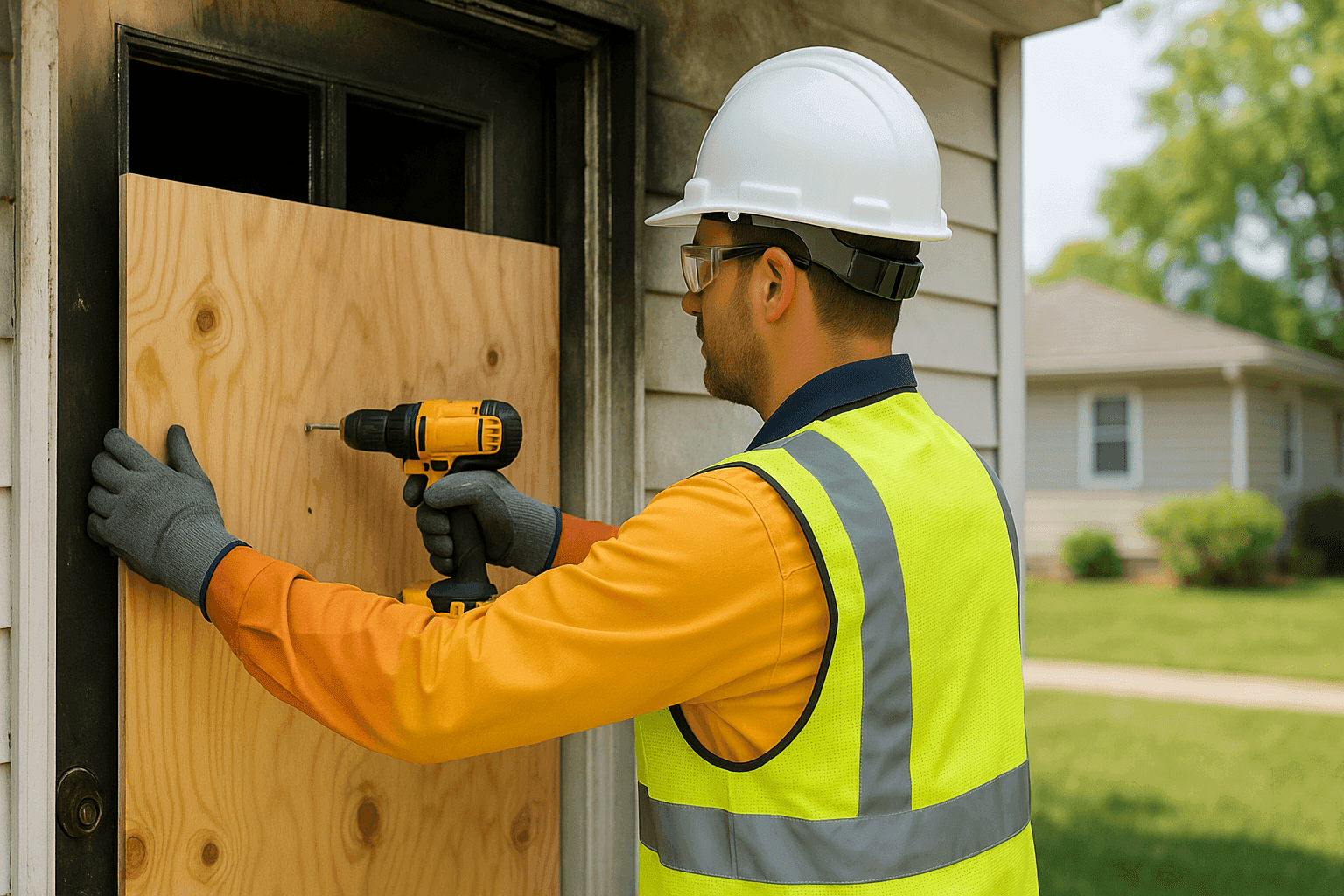
- Emergency board-up: Cover broken windows, doors, or holes in the roof with plywood. This keeps out rain and unwanted visitors.
- Water extraction: Fires are fought with water. Standing water left behind can lead to mold fast—sometimes within 24 hours.
- Temporary power and dehumidification: Professionals can install temporary power sources and use industrial dehumidifiers to dry out your home, helping prevent further corrosion and decay.
If you’re not sure how to do this safely, or don’t have the materials, call a professional. Services like "Corrosion Control near you" don’t just fix what you see—they prevent invisible damage.
What NOT to Do After Fire_Damage
Sometimes, good intentions create bigger problems. Avoid these common mistakes:
- Don’t use electrical appliances: Water and fire can damage wires. Wait for an electrician’s OK.
- Don’t scrub walls or carpets: Soot can smear and set into surfaces. Specialized cleaning is needed.
- Don’t eat food or use medicine left behind: Smoke and heat can make them unsafe.
- Don’t turn on the HVAC: You’ll just spread smoke and soot through the vents.
- Don’t try to remove odor with store-bought sprays: They mask, but don’t remove, the underlying particles.
DIY vs. Call a Pro: Know Your Limits 🛠️
You want to save money. That’s natural. Some tasks—like basic documentation or light cleaning in safe areas—are fine to handle yourself.
But for anything involving:
- Structural repairs
- Electrical work
- Smoke or soot removal
- Corrosion Control
...it’s best to call professionals like Ron’s Fire Restoration. We use specialized equipment and follow industry standards, including guidelines from the Institute of Inspection Cleaning and Restoration Certification (IICRC).
What Pros Do On Arrival
When a restoration team arrives, here’s what you can expect:
- Damage assessment: We check for hidden hazards—structural, electrical, and environmental.
- Emergency board-up and stabilization: Securing the property is job one.
- Water extraction and dehumidification: Fast action prevents mold and further damage.
- Smoke and soot removal: Using HEPA vacuums and professional-grade cleaners.
- Corrosion Control: Metals and electronics can corrode quickly after fire_damage. Specialized treatments halt the process.
- Pack-Out Services: We carefully inventory, remove, and restore salvageable belongings.
- Remote monitoring: Ongoing checks ensure drying and repairs stay on track.
- Odor removal: Using ozone or hydroxyl generators—not just sprays—to neutralize persistent smells.
We also work directly with your insurance, providing documentation to smooth the claims process.
Prevention & Maintenance: Steps for the Future
Once the immediate crisis has passed, prevention becomes key. Consider these steps:
- Install smoke alarms: Test monthly and replace batteries twice a year.
- Create a family escape plan: Practice fire drills so everyone knows what to do.
- Keep fire extinguishers handy: Place in the kitchen, garage, and near fireplaces.
- Regularly inspect electrical systems: Especially in older homes.
- Store flammables safely: Gasoline, paint, and cleaning products belong in approved containers away from heat.
Simple habits keep small sparks from turning into disasters.
Costs & Time Factors: What to Expect
Every fire is different. The cost and timeline for restoration depend on:
- Size of the fire: A small kitchen fire may take days. Larger fires could take weeks or months.
- Extent of water damage: The more water used, the longer the drying process.
- Type of materials affected: Wood, drywall, and fabric each react differently to fire and water.
- Services needed: Emergency board-up, pack-out, technical reconditioning, and reconstruction all add steps.
Insurance usually covers many costs, but check your policy for details. A professional can provide a timeline and overview after the initial assessment.
When It’s an Emergency: Immediate Steps
Some situations can’t wait:
- Structural instability: If you see collapsed ceilings, leaning walls, or exposed wiring, stay out.
- Persistent smoke or fumes: This could indicate smoldering hotspots or chemical hazards.
- Rising water or mold growth: Act within 24 hours to prevent lasting damage.
Ron's Fire Restoration offers 24-hour service. When in doubt, make the call.
FAQ: Home Fire_Damage Questions Answered
How soon should I call my insurance company after a fire?
Contact them immediately, ideally while the fire department is still on site or as soon as it’s safe. Early notification speeds up your claim.
Can I clean up soot myself?
Light wiping in unaffected rooms is OK, but deep cleaning requires professional equipment. Soot can be toxic and hard to remove without special tools.
What can be saved after fire_damage?
Many items can be restored—furniture, documents, electronics—depending on the extent of damage. Let professionals assess what’s salvageable.
Is the smell of smoke dangerous?
Yes. Smoke particles can irritate lungs and trigger health issues, especially in children, seniors, and those with breathing problems.
Local and Seasonal Considerations 🌧️
Fire risks and recovery needs change with the seasons. In winter, freezing pipes and icy conditions can complicate water extraction and drying. In summer, storms may follow a fire, making emergency board-up and temporary fencing urgent. Power outages may require temporary power solutions to keep essential systems running.
Check local weather and safety alerts. And remember, fire codes and building standards may vary by region—always follow local authority recommendations.
No one expects a fire, but quick, careful action can make all the difference. Protect your family, your home, and your future claims by following these essential steps.
Call Ron's Fire Restoration now — or reach us anytime at 855-552-8949 .