How to Remove Smoke Odor from Your Home After a Fire: Proven Methods That Work
When the smoke clears and the flames are out, the real struggle often begins. That stubborn smoke odor lingers—clinging to walls, drifting through your halls, and settling into every soft surface you own. It’s more than just a bad smell. It’s a daily reminder of what your family has been through.
At Ron’s Fire Restoration, we know how overwhelming this can be. Our teams have seen it all, and we’re ready to help you get your home and peace of mind back. Let’s break down what works, what doesn’t, and how to get your space truly clean and safe again.
Why Smoke Odor Is So Hard to Remove
Smoke moves like water. It seeps through tiny cracks, slips under doors, and hides in the fibers of your favorite couch. After a fire, these invisible particles—soot, ash, and chemical residues—settle deep inside things you can’t just wipe down.
- Tiny Particles: Smoke molecules are microscopic. They cling to drywall, insulation, studs, and even the wiring behind your walls.
- Multiple Layers: Odor compounds bond with surfaces, making them tough to wash away.
- Persistent Chemicals: Some residues can be toxic or corrosive, damaging electronics or metal fixtures over time.
That’s why a quick clean-up rarely works. The smell might fade, but it comes back—especially on humid days or after heavy rain, when odor trapped in the structure is pulled out again.
Quick Safety Checklist Before You Start 🛑
Before tackling smoke odor, safety comes first. Here’s what to check:
- Is the structure safe to enter? Wait for the all-clear from your local fire department.
- Wear protection. Use an N95 mask, gloves, and, if possible, goggles—especially during cleaning.
- Ventilate. Open every window and door you can, but only if it’s safe.
- Watch for hidden hazards. Soot hides sharp objects and can make floors slick.
- Check for live electricity and gas leaks. If in doubt, call a pro before touching anything.
Stay cautious—smoke-damaged homes can hide dangers you may not see.
DIY Smoke Odor Removal: What Can You Really Do?
Many homeowners want to try cleaning up themselves first. Here’s what helps—and what usually doesn’t.
Air It Out
Start simple:
- Open all windows and doors.
- Set up box fans blowing fresh air in and smoky air out.
- Replace HVAC filters (or turn off the system if you can).
Fresh air can reduce the worst of the smell, but it won’t reach deep inside walls or fabrics.
Clean Surfaces
- Hard surfaces: Wipe with a mild soap and water solution, changing rags often.
- Floors: Mop with a gentle cleaner. Avoid soaking wood or laminate.
- Walls and ceilings: Use a dry cleaning sponge (chemical sponge) first, then wash if needed.
Tackle Fabrics
- Wash curtains, bedding, and clothing in hot water with baking soda or vinegar.
- Steam-clean carpets and upholstery, or try professional-grade cleaning solutions.
Use Neutralizers
- Set out bowls of baking soda or activated charcoal.
- Try commercial smoke odor removers (read the label and test first).
These can help with lingering smells but often aren’t enough for bigger fires.
What Doesn't Work
- Covering up with sprays or candles: This masks, but doesn’t remove, odor.
- Home ozone machines: Consumer versions are usually too weak and can be dangerous if not used correctly.
How Smoke Penetrates—and Why It’s Tough to Beat
Smoke acts like a mischievous shadow, slipping into places you never expect.
- Porous Materials: Drywall, insulation, carpets, and even wood soak up smoke particles.
- Hidden Cavities: Smoke travels through ductwork, electrical outlets, and inside wall voids.
- Metals and Electronics: Smoke residue can corrode wiring and damage appliances, sometimes leading to future failures.
Citing the National Fire Protection Association (NFPA), lingering smoke residue isn’t just a nuisance—it can contain toxins that pose health risks, especially to children, seniors, and those with respiratory conditions.
The Limits of Household Remedies
No matter how hard you scrub, some odors just won’t budge. Why?
- Odor molecules are stubborn. They embed deep in materials.
- DIY cleaning rarely reaches hidden spaces.
- Some residues need specialized equipment to neutralize.
If you still smell smoke after thorough cleaning, it’s time to consider professional fire_damage restoration.
Professional Smoke Odor Removal: What the Pros Bring
Some jobs need more than elbow grease. Here’s what Ron’s Fire Restoration and other certified teams use to get your home back on track.
Ozone Treatment
Ozone generators flood a space with ozone gas, which breaks apart odor molecules at the chemical level. Used in unoccupied rooms (for safety), this method can neutralize even the toughest smells deep inside walls and furniture.
Thermal Fogging
A machine heats deodorizing agents into a fine fog. This fog acts like smoke, penetrating the same cracks and crevices. It’s especially effective for hard-to-reach spots and whole-home odor removal.
HEPA Filtration
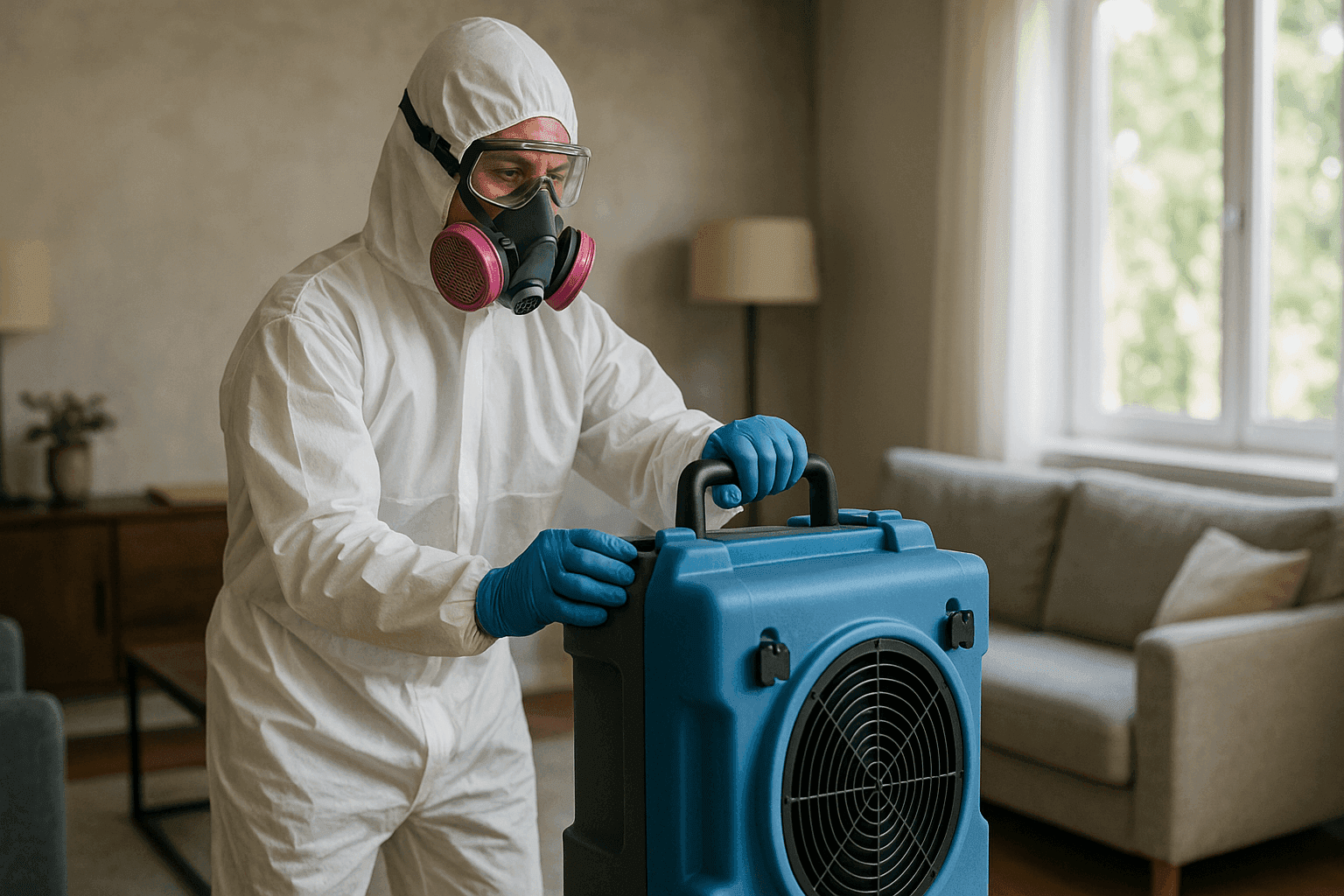
High-Efficiency Particulate Air (HEPA) scrubbers pull smoke particles from the air—removing the tiny bits your eyes can’t see. These machines run for hours or days, cycling the air and filtering out lingering pollutants.
Corrosion Control
Smoke can corrode metal surfaces and electronics. Restoration pros use specialized techniques and products to halt this process, protecting your appliances and fixtures.
Technical Reconditioning
Sensitive electronics, artwork, and precious belongings may need technical reconditioning—advanced cleaning and deodorizing methods designed for delicate items.
Content Cleaning and Pack-Out
Sometimes, the best way to save your things is to move them out, clean them off-site, and bring them back once your home is safe.
Reference: The Institute of Inspection Cleaning and Restoration Certification (IICRC) sets standards for fire and smoke restoration, including approved cleaning agents and safety protocols.
When to Call in the Pros
Don’t wait if:
- The smoke odor keeps coming back after cleaning.
- You notice soot stains reappearing on walls or ceilings.
- Family members experience headaches, coughing, or allergy flare-ups.
- Electronics or metal fixtures show signs of corrosion.
- You’re dealing with a large or complex fire_damage event.
Professional intervention protects your health, your home’s value, and your peace of mind.
What Happens When Pros Arrive
Here’s what to expect from a restoration team like Ron’s Fire Restoration:
- Assessment: They’ll inspect the damage, test air quality, and map out smoke-affected areas.
- Containment: Sealing off clean areas to prevent cross-contamination.
- Equipment Setup: Installing filtration, dehumidifiers, and odor-neutralizing machines.
- Deep Cleaning: Targeted cleaning of all affected surfaces, including walls, floors, and ductwork.
- Content Cleaning: Moving, cleaning, and storing your belongings as needed.
- Ongoing Monitoring: Using remote monitoring tools to track air quality and progress.
Restoration pros follow safety guidelines from OSHA and the EPA to ensure your home is safe for re-entry.
Prevention & Maintenance Tips 🧹
Once your home is restored, keep it fresh and safe:
- Replace HVAC filters every 1–3 months.
- Use air purifiers with HEPA filters in main living areas.
- Clean hard surfaces and vacuum upholstery regularly.
- Inspect your home’s structure and wiring for hidden smoke residues after any fire.
- Invest in smoke detectors and fire extinguishers for every level of your home.
Prevention is the best way to avoid another smoky ordeal.
Costs & Time Factors: What to Expect
Every fire is different, so costs and timelines will vary. Here’s what affects the process:
- Size of the fire_damage area: Larger spaces take more work.
- Type of materials affected: Porous surfaces require deeper cleaning.
- Level of contamination: Heavy soot and oily residues are tougher to remove.
- Professional equipment needed: Ozone, fogging, and HEPA filtration add to costs but deliver results.
Most odor removal projects take from a few days to several weeks. Restoration is an investment in your family’s health and your home’s future value.
When It’s an Emergency
Some smoke odor situations can’t wait:
- If you smell gas or chemicals, evacuate and call emergency services.
- If mold or moisture appears after fire_damage, rapid water extraction and dehumidification are crucial.
- Ongoing headaches, dizziness, or breathing trouble in your family? Seek immediate help—smoke residues can release toxins over time.
FAQ: Smoke Odor Removal
Q: Can I just repaint to cover the smell?
A: Not reliably. Without sealing and cleaning, smoke odor can bleed through fresh paint.
Q: Do household air fresheners work?
A: They mask odor but don’t remove the source. Odor can return, often stronger.
Q: Will insurance cover smoke odor removal?
A: Many policies cover fire_damage restoration, including odor removal—check with your insurer.
Q: How long will the smell last?
A: Untreated, smoke odor can linger for months or even years. Professional treatment removes it much faster.
Local & Seasonal Considerations
Humidity and changing seasons can pull smoke odor back to the surface. Rainy days, high summer heat, or turning on the furnace for the first time can release trapped smells. If your area sees wildfires or seasonal fires, have a plan for quick ventilation and cleaning.
Take the Next Step Toward a Fresh Start
You don’t have to live with the reminder of fire_damage. Whether you need Corrosion Control near you, reliable odor removal, or full-service restoration, Ron’s Fire Restoration is ready to help—24/7, every day of the year.
Call Ron's Fire Restoration now — or reach us anytime at 855-552-8949 .