Fire Damage Assessment Checklist: How to Identify and Document Hidden Problems
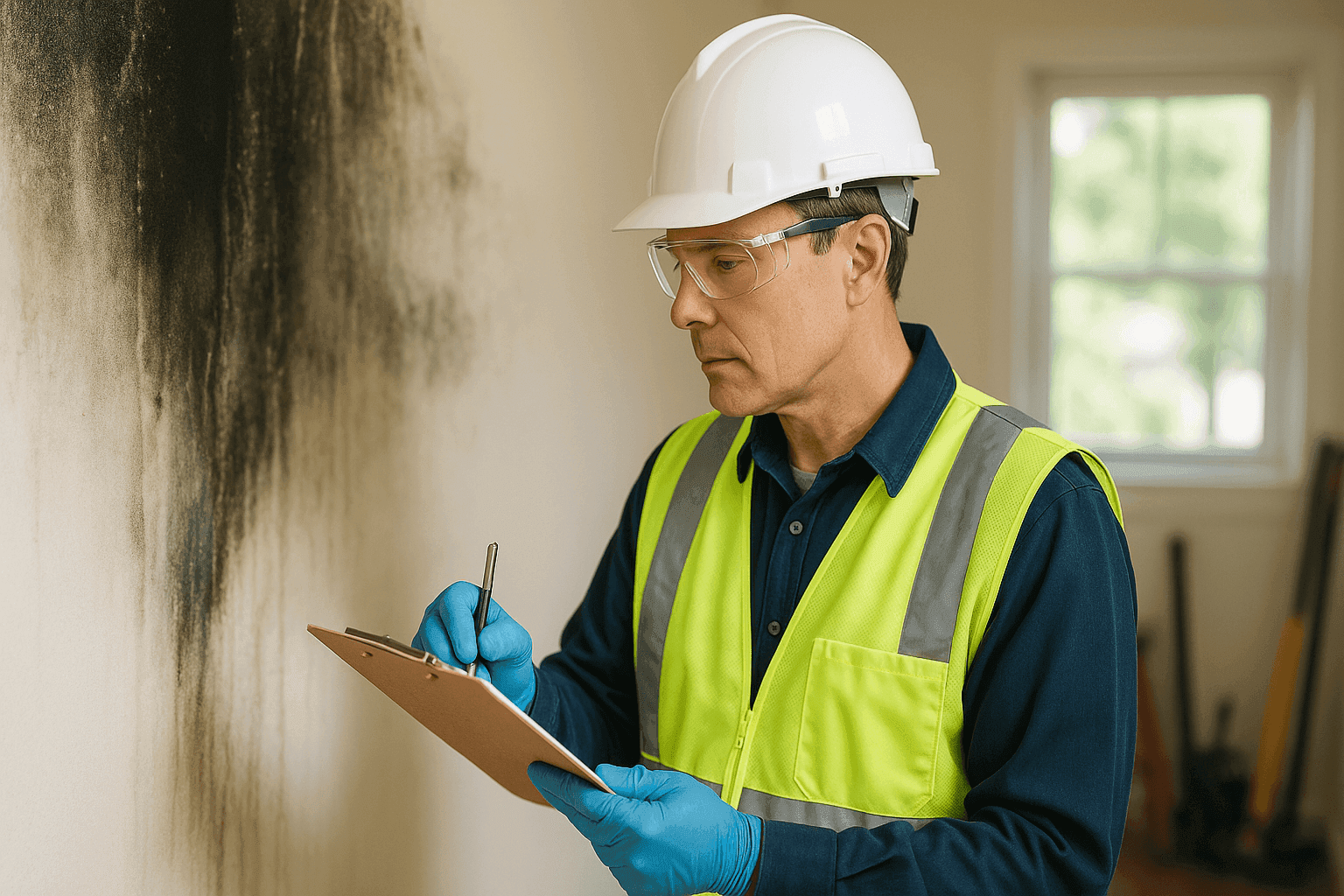
When your home has been touched by fire, the damage doesn’t always stop where the flames went out. Hidden issues can linger, quietly threatening your family’s comfort, health, and safety. At Ron's Fire Restoration, we know how overwhelming it feels to face the aftermath. You want to be thorough, but where do you start?
This checklist will help you spot the less obvious signs of fire_damage. We’ll guide you through the process, offering practical steps to protect your investment and peace of mind.
The Problem You Can't Always See
Fire can be a trickster. Even after the flames are gone, danger can remain tucked away like a fox in the attic. Charred beams, hidden water damage, and invisible toxins may linger in places you’d never think to look: inside walls, under floors, above ceiling tiles, and behind appliances.
Unseen fire_damage can lead to expensive repairs down the road—or even put your family at risk. Insurance adjusters need clear proof of every impact, not just the most obvious ones. That’s where a thoughtful, step-by-step assessment comes in.
Quick Safety Checklist Before Entering 🚪
Your safety is always first. Fires can leave structures fragile and air quality unsafe. Before you step inside:
- Wait for fire officials to declare the property safe for entry.
- Wear sturdy boots, gloves, and a mask rated for smoke/soot (N95 or better).
- Watch for weakened floors and ceilings—avoid rooms with visible sagging.
- Check for downed wires or exposed electrical systems.
- Never enter if you smell gas or hear hissing—leave and call the utility company.
- Keep young children and pets away until clean-up is well underway.
According to the National Fire Protection Association (NFPA), these steps help prevent injuries during initial reentry.
Inspecting for Structural Damage
Start with what you can see—then look deeper:
- Walls & Ceilings: Look for cracks, bulges, or sagging. Tap lightly; hollow sounds may mean hidden damage.
- Attics & Crawl Spaces: Check for singed rafters, melted insulation, or lingering odors. Bring a flashlight—these spaces hide a lot.
- Floors: Warping or soft spots signal water damage or burned joists.
- Foundation: Check for new cracks or shifting after firefighting efforts.
Remember, even if the fire stayed on one floor, heat and water can travel. If anything feels unstable, step back and call a professional immediately.
What About Hidden Spaces?
- Remove vent covers and look for soot inside ductwork.
- Open cabinets and closets—smoke can settle in closed spaces.
- Inspect behind large appliances and inside utility rooms.
Smoke and Soot: The Silent Spreaders
Smoke moves like a shadow, slipping through the smallest cracks, leaving behind acidic residue and stubborn smells.
- Surface Residue: Wipe surfaces with a white cloth. If it turns black or gray, soot is present.
- Appliances & Electronics: Smoke and soot can corrode circuit boards—don’t plug anything in until it’s inspected.
- HVAC Systems: If your heating/cooling was running during the fire, soot may have spread everywhere.
Documentation Tip 📸
Take photos before you clean anything. Get wide shots and close-ups. Include serial numbers on appliances and electronics. Keep a running list as you go—this becomes vital for insurance claims.
Water and Mold Risks After Firefighting
Water puts out fires, but it can also start new problems. Dampness after firefighting is an open invitation for mold.
- Carpets & Padding: Feel for dampness. Mold can start within 24–48 hours.
- Walls & Insulation: Press gently—soft spots could mean soaked drywall or insulation.
- Basements & Crawl Spaces: Check for standing water or puddles.
If you smell mustiness or see green/black spots, call for professional water extraction and dehumidification. Mold is sneaky and can threaten both breathing and building integrity.
Corrosion on Appliances and Fixtures ⚡
Soot and water can trigger corrosion in hours—not days.
- Metal Fixtures: Look for discoloration or pitting on doorknobs, sinks, and faucets.
- Kitchen Appliances: Inspect for rusting around seams and controls.
- Electrical Panels: Any visible rust? Call an electrician before restarting power.
Corrosion Control near you is crucial to prevent long-term appliance failures and electrical hazards.
How to Document for Insurance: Easy Steps
Insurance adjusters aren’t mind-readers. The more you document, the better your chance at a fair claim.
- Take photos and videos: Every room, every damaged item, every angle.
- Create a list: Itemize everything, noting brand, model, and estimated age.
- Save receipts: For cleaning supplies, hotel stays, or emergency repairs.
- Keep a journal: Record dates, conversations, and contacts with insurance reps.
The Insurance Information Institute recommends this approach to streamline claims.
DIY vs. When to Call a Pro
Some steps are safe for homeowners—others need a trained hand.
DIY:
- Taking photos and making lists.
- Light surface cleaning with dry cloths (only after documentation).
- Removing undamaged items from unaffected rooms.
Call a Pro If:
- You see structural instability or electrical damage.
- There’s evidence of mold or standing water.
- Smoke odor won’t go away after basic airing out.
- You find corrosion on wiring, panels, or appliances.
Professional assessment is like using a magnifying glass. It reveals what the naked eye can miss.
What Pros Do On Arrival
When you call Ron's Fire Restoration, here’s what to expect:
- Damage Assessment: A full walk-through, including attics, crawl spaces, and hidden cavities.
- Remote Monitoring: Sensors to track humidity and temperature changes in real time.
- Pack-Out Services: Carefully removing and inventorying salvageable contents.
- Dehumidification: Industrial-grade drying to prevent mold and further water damage.
- Technical Reconditioning: Cleaning electronics, appliances, and valuable items.
- Corrosion Control: Treating metals before rust and decay set in.
- Structural Stabilization & Board-up: Securing your property against the elements and intruders.
We follow guidelines from the Institute of Inspection Cleaning and Restoration Certification (IICRC) and NFPA for every step.
Prevention & Maintenance
No one wants a repeat. Here’s how to keep your home safer after restoration:
- Install smoke and carbon monoxide detectors (test monthly).
- Schedule annual HVAC and chimney inspections.
- Store flammable items safely—not in attics or near heat sources.
- Maintain clear access to electrical panels and utility shut-offs.
A little prevention is like building a moat around your castle—protecting what matters most.
Costs & Time Factors: What to Expect
Fire_damage restoration can feel open-ended, but here are some general guidelines:
- Minor smoke cleanup: A few days.
- Extensive water extraction and drying: Up to two weeks.
- Structural repairs: Several weeks to months, depending on severity.
Costs depend on the size of the area, extent of damage, and materials involved. Insurance may cover much of the process, but out-of-pocket expenses are possible for upgrades or code-required changes. Always check your policy and discuss with your adjuster.
When It’s an Emergency 🚨
Some situations just can’t wait:
- Structural collapse or sagging.
- Persistent smoke odor after cleaning.
- Water pooling in basements or crawl spaces.
- Visible mold growth.
- Electrical hazards (sparks, hot outlets, breaker issues).
If you’re unsure, err on the side of caution and call for 24-hour service.
FAQ: Common Questions from Homeowners
Q: How soon after a fire can I go back inside?
A: Only after fire officials declare it safe. Even then, use caution and wear protective gear.
Q: Is it safe to clean soot myself?
A: Light surface cleaning is okay after documentation. For heavy soot, or if you have health issues, let professionals handle it.
Q: Will insurance cover everything?
A: Most policies cover fire_damage, but the scope varies. Good documentation improves your chances of a smooth claim.
Q: What if I find damage weeks later?
A: Contact your insurance and restoration company right away. Hidden damage is common and should be addressed immediately.
Local & Seasonal Considerations
Climate and season affect restoration. In colder months, freezing temps can worsen water damage and delay drying. In humid areas, mold risk rises quickly after fires are put out. If your area is prone to storms, temporary board-up and fencing help prevent further loss.
No matter the season, quick action is your best defense. Every home is different. Awareness and a careful checklist make all the difference.
When the unexpected happens, you don’t have to face fire_damage alone. If you need help with Corrosion Control, Content Cleaning, Smoke and Soot Removal, or any other restoration service, our team is ready.
Call Ron's Fire Restoration now — or reach us anytime at 855-552-8949 .