Preventing Fire Damage During the Holidays: Essential Safety Tips for Homeowners
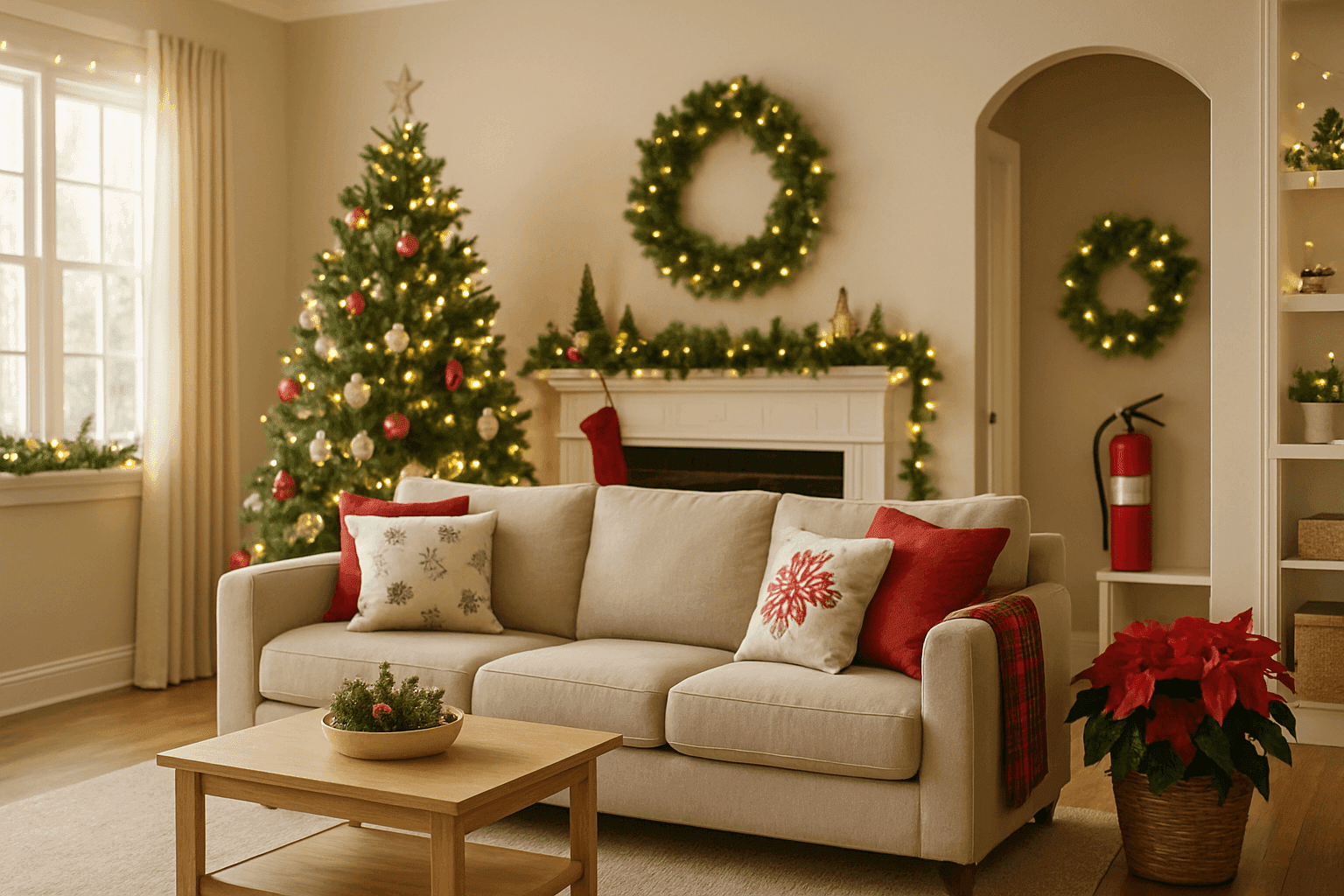
The holidays should feel like a warm hug, not a ticking time bomb. Unfortunately, December is one of the riskiest times for residential fire_damage—something no family wants to deal with when they should be making memories.
At Ron's Fire Restoration, we’ve seen firsthand how quickly a cheerful evening can turn into chaos. The good news? Most holiday fires are preventable. With a bit of planning and awareness, you can keep your home—and your loved ones—safe this season.
Why Holiday Fires Happen: The Real Risks
The holiday season brings a unique set of fire hazards into the home. According to the National Fire Protection Association (NFPA), U.S. fire departments respond to an average of 790 home structure fires each year that begin with holiday decorations. That’s not counting kitchen mishaps or overloaded outlets.
What’s increasing the risk?
- Strings of twinkling lights snaking around dry trees
- Candle-lit tables and mantels
- Busy kitchens with distracted cooks
- Wrapping paper piling up near heat sources
It’s a recipe for disaster if you’re not careful. Let’s break down the most common culprits—and how to sidestep danger.
Holiday Home Safety Checklist ✅
A quick scan before festivities can save you from fire_damage headaches later. Here’s your go-to list:
- Inspect light strings and cords for frays or cracks
- Never overload electrical outlets
- Keep lit candles away from anything flammable—curtains, decorations, kids
- Water your tree daily (if real)
- Store matches and lighters up high
- Clean out fireplaces and chimneys before first use
- Double-check smoke detectors and replace batteries
- Don’t leave cooking food unattended
- Keep a fire extinguisher handy in the kitchen
- Dispose of wrapping paper responsibly—never burn it indoors
Electrical Safety: Lights, Decorations, and Outlets 🎄
Those sparkling lights can brighten a room—or spark a fire. The Electrical Safety Foundation International (ESFI) reports that electrical distribution equipment is among the leading causes of holiday fires.
Tips for a safer shine:
- Use lights labeled for indoor or outdoor use as intended
- Replace any string with worn wires, broken bulbs, or loose connections
- Plug decorations into GFCI-protected outlets when outdoors
- Never daisy-chain multiple extension cords
- Unplug all lights before leaving home or going to bed
Think of your home’s electrical system like a busy airport runway—too much traffic can lead to disaster. Give each appliance or string of lights its own “lane” (outlet), and don’t ask more of your system than it can handle.
Kitchen Fire Prevention: Holiday Feasts Without the Flames
The kitchen is the heart of the home during the holidays—but it’s also the hotspot for fire_damage. According to NFPA, cooking is the leading cause of home fires and injuries, peaking during Thanksgiving and Christmas.
How to stay safe:
- Stay in the kitchen when frying, grilling, or broiling food
- Turn pot handles inward to prevent spills
- Keep flammable items like oven mitts and towels away from the stovetop
- Use timers as reminders for every dish
- If a grease fire starts, slide a lid over the pan and turn off the heat—never use water
Even the best cooks can get distracted by guests or phone calls. Treat your kitchen like a busy train station—don’t leave it running unsupervised.
Candle and Fireplace Safety: Set the Mood, Not the House Ablaze 🕯️
Candles add ambiance, but they’re one of the top causes of holiday fires. The U.S. Fire Administration reports that December is the peak month for candle-related fires.
Safe candle habits:
- Place candles on stable, heat-resistant surfaces
- Keep at least 12 inches of space from anything that could catch fire
- Never leave a burning candle unattended—extinguish before you leave the room
- Consider flameless LED candles for worry-free glow
Fireplace tips:
- Only burn dry, seasoned wood—never wrapping paper or trash
- Use a sturdy screen to stop sparks
- Clean the chimney before the first fire of the season
- Store ashes in a metal container, away from the house
Treat candles and fireplaces like campfires: beautiful to gather around, but never to be left alone.
Tree and Gift-Wrapping Safety: Beauty Without Risk
A real Christmas tree can be the centerpiece of your living room—or the fuel for a fast-moving fire.
Stay safe by:
- Choosing the freshest tree possible; needles should not snap easily
- Cutting 2 inches from the base before placing in water
- Positioning trees away from heat sources and exits
- Watering daily, so the tree doesn't dry out
Gift wrap and paper can ignite quickly. Don’t pile it near candles, fireplaces, or heaters. After the gifts are opened, bag the paper and recycle promptly.
Emergency Preparedness: Smoke Detectors and Escape Plans
Even with all precautions, accidents can happen. Prepare your home for the “what ifs.”
- Test smoke detectors monthly and replace batteries twice a year
- Install alarms inside and outside every sleeping area
- Practice a family escape plan—know two ways out of every room
- Designate a meeting spot outside the home
- Keep emergency numbers posted where everyone can see
According to the American Red Cross, families who practice a fire escape plan are more likely to get out safely in an emergency. Think of it as a fire drill for your peace of mind.
DIY Fire Safety vs. Calling a Pro
Some tasks are perfect for homeowners—like checking smoke alarms or watering the tree. But when it comes to deeper risks, such as electrical issues or lingering smoke odors, it may be time to call in professionals like Ron's Fire Restoration.
DIY:
- Routine checks and cleaning
- Safe use of decorations and appliances
- Quick response to small kitchen mishaps
Call a pro for:
- Persistent smoke odors or soot
- Water damage from firefighting efforts
- Corrosion Control near you after smoke exposure
- Structural concerns or environmental cleanup
What Pros Do On Arrival
When Ron’s Fire Restoration arrives, speed and expertise matter. Here’s how we help:
- Assess the full scope of fire_damage, including hidden areas
- Extract water and dry out affected spaces
- Remove smoke and soot from surfaces and air
- Provide Corrosion Control to protect electronics and valuables
- Restore your home’s structure, stabilize walls, and offer temporary power or fencing if needed
- Clean contents and pack out items for restoration if necessary
- Coordinate with your insurance for restoration
Our approach is precise and thorough, following guidelines from industry authorities like the Institute of Inspection Cleaning and Restoration Certification (IICRC).
Prevention & Maintenance: Stay Ahead of the Flames
A little prevention goes a long way. Here’s how to keep fire risks low year-round:
- Schedule annual chimney and furnace inspections
- Replace old extension cords and appliances
- Practice careful storage of flammable goods
- Regularly review your home’s fire escape plan
- Keep up with the latest safety tips from the NFPA and local fire departments
Think of prevention like brushing your teeth—simple habits that prevent big problems down the line.
Costs & Time Factors: What to Expect
Every fire damage case is different—like snowflakes, no two situations are the same. The cost and time to restore your home depend on:
- The extent of fire_damage and water damage
- The size and layout of your home
- How quickly restoration begins
- The services required (e.g., Corrosion Control, odor removal, reconstruction)
Some jobs may be resolved in a few days, while larger projects can take weeks. Emergency board-up and water extraction are usually handled on day one, with ongoing monitoring and restoration as needed.
When It’s an Emergency
Not all emergencies announce themselves. Here’s when to call for help right away:
- Smoke or burning smells you can’t locate
- Power outages after a fire
- Saturated carpets or standing water
- Walls or ceilings that feel warm without explanation
- Any visible soot, charring, or warped surfaces
Remember: Ron’s Fire Restoration offers 24-hour service for true fire_damage emergencies.
FAQs
Q: How often should I test my smoke alarms?
A: Test every month and replace batteries once or twice a year, as recommended by the U.S. Fire Administration.
Q: Is it safe to burn wrapping paper in my fireplace?
A: No. Burning wrapping paper can release toxic fumes and cause dangerous flare-ups. Always dispose of it in the trash or recycling.
Q: What’s the fastest way to put out a stove-top grease fire?
A: Slide a lid over the pan and turn off the burner. Never use water, as it can spread the fire.
Q: How can I tell if my tree is too dry?
A: If needles fall off easily or the branches are brittle, it’s time to remove the tree from your home.
Local and Seasonal Considerations
Winter brings unique challenges. Dry indoor air, portable heaters, and packed schedules can increase risks. If you live in an area prone to cold snaps, watch out for overloaded circuits and keep pathways clear for emergency exits.
Remember, holiday safety comes down to a few mindful habits and readiness. At Ron’s Fire Restoration, we’re here to help when the unexpected happens—but our hope for every family is a season full of warmth and peace, not worry.
Call Ron's Fire Restoration now — or reach us anytime at 855-552-8949 .