When to Call a Fire Damage Restoration Professional: Signs DIY Isn’t Enough
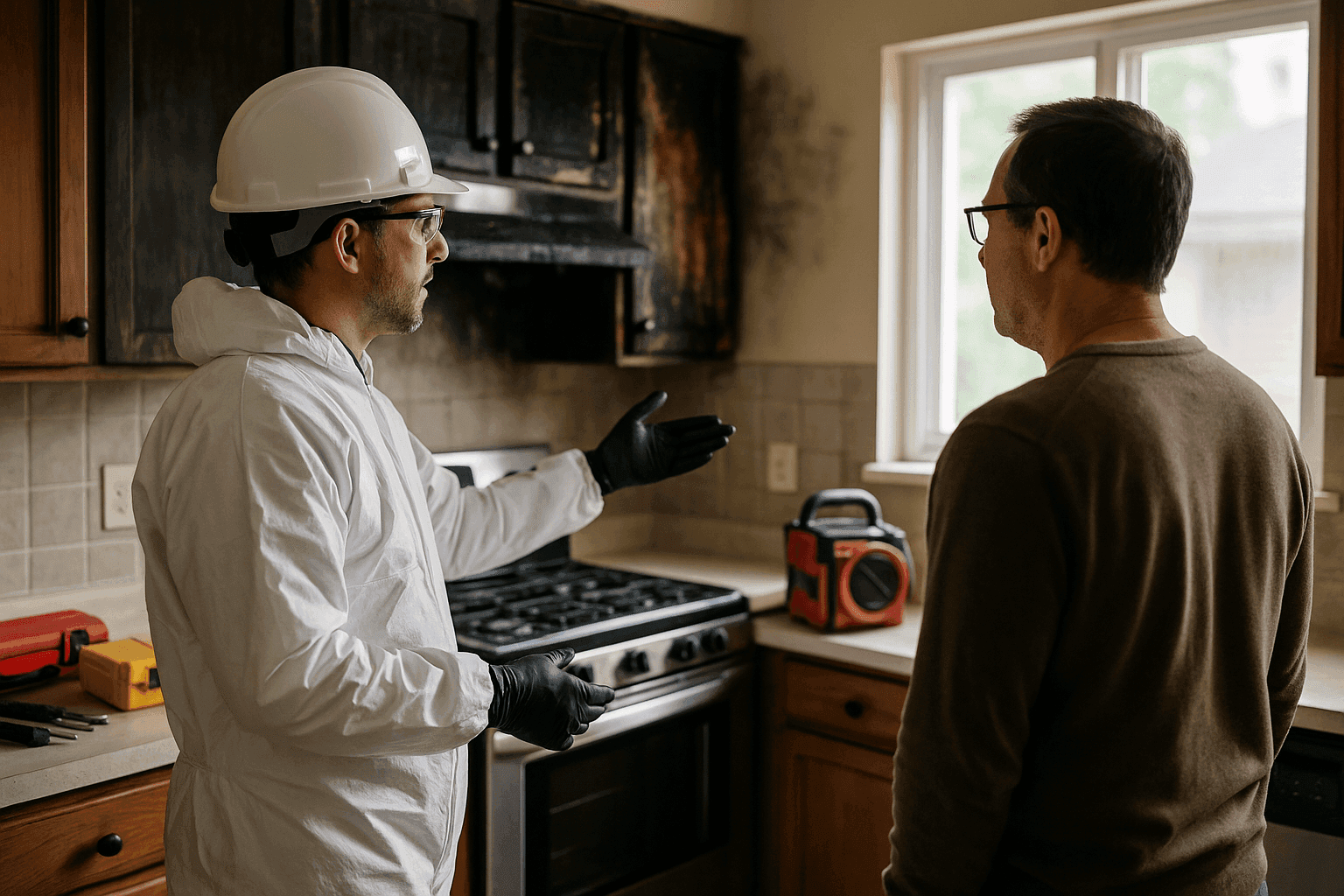
When flames finally flicker out, the aftermath can feel overwhelming. You see blackened walls, smell lingering smoke, and feel the weight of uncertainty. Is it safe to handle cleanup yourself? Or is this a job for seasoned professionals with the right tools and technical know-how?
At Ron's Fire Restoration, we help homeowners through some of their toughest days. With years of experience, we know when a mop and bucket just won’t cut it. This guide will help you decide when to roll up your sleeves—and when to call for certified fire_damage restoration help.
The Hidden Dangers of Fire Damage
Fire leaves more than charred walls and scorched memories. Smoke and soot seep deep into everything—furniture, drywall, even behind electrical outlets. Water from firefighting efforts soaks insulation and floors. Corrosion can start eating away at metal fixtures within hours.
Most damage isn’t just skin-deep. Like an iceberg, what you see is only the beginning.
Types of Smoke and Soot: Not All Residue Is the Same
- Wet smoke: Sticky, smeary, and hard to clean—often found after slow-burning fires.
- Dry smoke: Powdery, easier to wipe but can travel through the smallest cracks.
- Protein residue: Invisible but notorious for causing strong, lingering odors (think burnt toast times ten).
- Fuel oil soot: Rare in homes but extremely tough to remove.
Each type needs a different approach. Using the wrong method can make things worse, spreading stains or embedding odors deeper.
Quick Safety Checklist: Should You Handle This Alone? 🔥
Pause and scan your home for these warning signs before you start any DIY cleanup:
- Persistent smoky or chemical odors
- Black streaks on walls, ceilings, or vents
- Sparking, buzzing, or damaged electrical outlets
- Signs of water pooling or mold growth
- Rust or corrosion on pipes, hinges, or appliances
- Sagging ceilings, warped floors, or cracked beams
- Soot inside heating/cooling ducts
- Headaches, dizziness, or irritation after re-entering home
If you spot any of these, it’s time to call in the pros. Even a small fire can leave hidden hazards.
DIY vs. Professional Restoration: Know Your Limits
It’s tempting to grab a scrub brush and start cleaning. For very minor smoke stains or a kitchen flare-up, you might get away with it. But fire_damage cleanup isn’t like washing muddy footprints off the porch.
DIY May Be OK If:
- The fire was contained to a very small area (like a stove-top pan fire)
- You see no structural, electrical, or water damage
- There’s minimal soot and no lingering odor
- You have proper protective gear (N95 mask, gloves, eye protection)
- You know how to safely dispose of contaminated materials
Call a Pro If:
- There’s any doubt about the safety of wiring or structural integrity
- You find soot inside vents, behind outlets, or on insulation
- Odors persist after cleaning
- Water damage is visible or suspected (even behind walls)
- There’s corrosion on plumbing, wiring, or appliances
- You need insurance documentation for a claim
Pros like Ron’s Fire Restoration bring more than elbow grease. We use specialized equipment for Corrosion Control near you, advanced odor removal, and technical reconditioning that’s impossible to DIY.
What Professionals Do When They Arrive
Our first priority is protecting your home and health. Here’s what happens when you call for help:
- Damage Assessment: Thorough inspection using moisture meters, thermal cameras, and air quality monitors.
- Emergency Board-up and Structural Stabilization: Securing windows, doors, and weak spots to prevent further damage or injury.
- Water Extraction & Dehumidification: Removing hidden water to stop mold and further decay.
- Smoke & Soot Removal: Industrial HEPA vacuums, air scrubbers, and chemical sponges target every trace.
- Corrosion Control: Immediate treatment to halt rusting and chemical reactions.
- Content Cleaning & Pack-Out Services: Salvaging, cleaning, and storing your belongings offsite.
- Odor Removal: Advanced treatments (like ozone or hydroxyl generators) break down stubborn smells.
- Documentation for Insurance Restoration: Detailed records, photographs, and itemized inventories.
Safety is always our first concern, guided by the National Fire Protection Association (NFPA) and IICRC standards.
Prevention & Maintenance: Reduce Your Risks
A little preparation goes a long way. Here’s how to keep your home safer—before and after a fire:
- Install and maintain smoke detectors (test monthly; replace batteries twice a year)
- Never overload electrical outlets or power strips
- Keep fire extinguishers in the kitchen, garage, and laundry room
- Regularly clean dryer vents and stove hoods
- Store flammable liquids far from heat sources
- After a fire, have your HVAC and ductwork professionally cleaned and inspected
- Schedule periodic inspections of your electrical and plumbing systems
Being proactive isn’t just smart. It protects your family and can even lower insurance premiums.
Cost and Time Factors: What to Expect
Every fire_damage situation is unique. Cleanup and restoration costs depend on:
- Size and severity of the fire
- Types of materials affected (drywall, hardwood, electronics, textiles)
- Depth of water and smoke damage
- Need for demolition and reconstruction
- Amount of salvageable contents
Minor incidents may take a few days. Larger losses can stretch into weeks, especially if reconstruction or environmental services are needed. Insurance typically covers much of the cost if you act quickly and follow their protocols.
When It’s an Emergency (Don’t Wait!)
Some situations can’t wait for a convenient time. Call for 24-hour service if:
- There are live electrical hazards or the smell of gas
- Water is pooling or spreading
- Weather is threatening to worsen damage (rain, freezing temps)
- Your home is unsecure or exposed to trespassers
- Mold, corrosion, or odors are rapidly increasing
Quick action prevents further loss, protects your health, and speeds up the path to recovery.
Frequently Asked Questions
How soon should I start cleanup after a fire?
As soon as it’s safe. Soot and water cause more damage the longer they sit. But never enter a property until fire officials say it’s safe.
Will insurance cover fire_damage restoration?
Most homeowner policies do, but requirements vary. Document everything (photos, lists) and keep all receipts. Ron’s Fire Restoration can assist with insurance documentation.
Can I stay in my home during restoration?
It depends on the extent of damage and safety risks. Sometimes, evacuation is necessary for your protection.
What about my valuables and keepsakes?
We offer pack-out services to safely clean, store, and return salvageable items.
Local and Seasonal Considerations 🏠
Fire risks and restoration needs change with the seasons. Winter means more heater fires; summer brings wildfires and lightning strikes. In humid climates, water extraction and dehumidification are urgent to prevent mold. After storms, emergency board-up and temporary power may be needed.
If your home faces unique local threats, ask about remote monitoring or temporary fencing for added security during restoration.
If you’re facing fire_damage, don’t go it alone. Your home and health deserve the very best care.
Call Ron's Fire Restoration now — or reach us anytime at 855-552-8949 .